Oranssit vyöt - Orange belts


See them in action earlier this spring.

 For those of you who read Japanese: ミセス Magazine published a 34 pages special section about Finland in their July issue. It covers wide range of topics like landscape and living, famous composers, architects and designers, design and shopping in Helsinki. It dedicates 6 pages for the Finnish school and library system, including an interview with Riikka.
ミセス July 2009, 7月号
フィンランド
45 年前、ピアニストとしての将来を思い描いた舘野泉さんが目指したのは、ウィーンやパリではなく、北欧フィンランドでした。作曲家シベリウスが奏でた北欧の森の「静けさ」に導かれるように。イラストレーターの山本祐布子さんは、忘れ去られたものに命を吹き込むアーティスト、アヌ・トゥオミネンを訪ねて湖畔のサマーハウスへ。その他、北国の自然が作る美しいデザイン、建築、暮しと教育など、フィンランドの素顔をお届けします
Riikka's book is getting quite nice publicity in Japan.
Amid concerns that declining academic abilities of children in Japan, there is increasing interest in the learning method of Finland produced a world-class achievement.
日本の子供の学力低下が懸念される中、世界トップ級の学力を生み出すフィンランドの学習法に関心が高まっている。「フィンランドメソッド(方式)」をうたう読書法や作文の書き方、算数ドリルといった学習関連本が相次いで出版され、教育関係者ばかりではなく、一般家庭にも普及し始めた。 (http://www.iza.ne.jp/ 2008/1/11)
This magazine promotes Riikka's two books. (Link in English)
Here is a collection of blogs and other links where it is mentioned - they are all in Japanese, but followed by an automatic translation to English by google.
ウィメンズブックストアゆう 子育て・教育
Women's book store ranks Riikka's book #4 in Parenting / Education category (out of 353 books!) (Link in English)
ユーモア、川柳、名言 フィンランドの教師は学歴が日本よりも高く、尊敬されている。給料は低くてもなり手が多い。
This blog comments that Teachers in Finland are respected and have higher education than in Japan. (Link in English)
とくとみぶろぐ 著者が最初にクラス担任になったときは異例の33人クラスだったそうです。
This guy says "Riikka's first class had 33 students, which is not unusual for a class. I was very surprised by that, I think of my elementary school class was 40." (Link in English)
創ぶろ So-Blog Books サポートチームとして、看護師、ソーシャルワーカーなどが、学校にいるのがうらやましい。
This blog says "The support team, nurses and social workers, are the envy of the school. ... Interestingly, this was read at a stretch." (Link in English)
岩辺泰吏の午後の歩き方 新書版で読みやすい本だ。沖永良部の旅の往復で読んだ。
This blog recommends the book as easy to read. "I read in a round-trip journey." (Link in English)
タカサタガマヤ フィンランドの教育力
Here is another blog, but I could not really follow the automatic translation.
日々燦々 - はぁ~、のんびり のんびり -
フィンランドニュースで、こんな本の紹介記事を見つけました。
まだ読んでないのですが、早速買って読んでみたいと思います。
もし読まれた方がいらっしゃいましたら、感想教えて下さい。
This blogger "saw the introduction of this book. I do not read it yet, I would like to buy and read it. If you read already please tell us feedback." (Link in English)
こんな本いかがっすかあ
書店従業員の読書日記
And finally the blog Oh yes sir I like this book - Reading Diary bookstore employees. (Link in English)
 Picture: Suzuka Yoshida
I saw this add on the subway today, and wondered what it says:
"Stop AIDS - Blow dry your hair before using subway?"
Not exactly, but that's what the picture looks like...
Find out more, in Japanese
Samuli
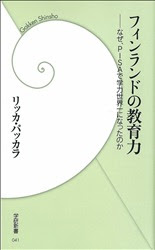


The Power of Finnish Education is the title of Riikka's new book
One of the chapters is called "Summer holiday without homework" which is something that surprises the Japanese. Not to mention that summer holiday in Finland is 10 weeks...
ROSA
Riikan uusi kirja julkaistiin tänään. Siinä hän tarjoaa sisäpiirin näkemyksen opettajana ja äitinä syihin miksi suomalaisen opetuksen taso on maailman huippua. Kirja on kirjoitettu suoraan japaniksi Riikan haastatteluiden pohjalta.
Yksi luvuista on nimeltään "Kesäloma ilman läksyjä", mikä jaksaa ihmetyttää japanilaisia, puhumattakaan siitä, että kesäloma on 10 viikon mittainen...
ROSA
フィンランドの教育力
OECD学力調査(PISA)で世界一を誇るフィンランド。彼らはなぜ学力が高いのか。その理由を、フィンランドの小学校教師で二児の母である著者が語る。「宿題なし」「落ちこぼれなし」は本当なの? 家でのしつけは? 日本の家庭でできるアイデア満載。
【著者プロフィール】
フィンランドの首都ヘルシンキの小学校教諭。1995~2005年まで小学校で教壇に立つ。夫の赴任により一時的に東京に在住。一男一女の母でもある。著書に『たのしい算数 たし算ひき算』(学研)がある。
ROSA
Today Riikka's book was featured in Yomiuri Shimbun. We haven't seen the actual paper yet, but below is the article as it was in the web (available only in Japanese at this point). (28.10. Now available also in English)
フィンランド式算数本 フィンランドの小学校教師だったリッカ・パッカラさん(39)(港区南麻布)が、日本の小学校低学年向けの算数ドリルを執筆した。経済協力開発機構(OECD)の国際学習到達度調査(PISA)で、世界トップクラスを維持している同国の算数教育のヒントも入っている。「算数は生活に役立つ」と実感させる1冊だ。(吉永亜希子)
ドリルのタイトルは、「リッカ先生のたのしい算数 たし算ひき算
長女ラウラちゃん(右)にドリルの説明をするリッカさん 友達10人でパーティーをするのにコップが7個、ケーキが6個しかない場面を挙げて「足りないのはいくつ?」という問題や、「おもちゃ屋さんに車が15台あり、うち6台を友達のプレゼントに買うと、お店に残るのはいくつ?」という問いかけなど、算数を現実の生活に即して理解させようとしている。
フィンランドは2006年の同調査で、「数学的応用力」が2位(日本は10位)、「科学的応用力」が1位(同6位)、「読解力」が2位(同15位)だった。パッカラさんは10年間、小学校の教壇に立ち、ヘルシンキ大で特別支援教育の免許も取得した。3年前、日本に転勤となった夫と長男(11)、長女(6)とともに来日。母国の教育についての講演や執筆活動をこなしている。
教師時代、わからないという児童がいれば放課後に補習をし、保護者とメールで子どもの理解度を確認し合った。算数では日常生活と結びつけた指導を重視していたという。「単位を教える時、1リットルがどれくらいの量か、実際に教室でジュースをはかって見せた。低学年では具体的に数を感じることが大切ね」
学校で学んだことの復習教材としてドリルを使うことを勧め、「ゆっくり着実に身につけて」と話している。
「リッカ先生のたのしい算数 たし算ひき算
(2008年10月18日 読売新聞)

We received a nice omiyage today at the office. I just had to go and find a camera.
Samuli
今日 かいしゃで おもしろいい おみやげが もらいました。
サムリ


 リッカ先生のたのしい算数たし算ひき算―フィンランド式ドリル
主に基礎を重視し、6歳から8歳の子どもたちに適した内容を選んで収録。お子さんが学習を進める上で手助けとなるようなヒントやポイントをアドバイスする欄も設けている。
OECDの国際学習到達度調査(PISA)で毎回圧倒的に優秀な成績を誇る、フィンランドの勉強法が、家庭で実践できる本。フィンランド人の現役小学校教諭が、現地での教え方をそのままドリルにしました。復習にも、先取り学習にも最適な教材です。
【著者プロフィール】
フィンランドの首都・ヘルシンキの小学校教諭で、2児の母。トゥルク大学にて教育学修士取得後、1995年より教壇に立つ。2005年には、ヘルシンキ大学にて特殊教育の学位も取得。
リ-ッカ
Suomalaista matematiikkaa
Reilu vuosi sitten minua pyydettiin tekemään oppikirjaa japanilaiselle yleisölle ja hetken harkittuani päätin ottaa haasteen vastaan.
Tämä projekti on ollut mielenkiintoinen kokemus ja on ollut mukavaa, että kotiäidin roolista on välillä päässyt hyppäämään vallan toisenlaiseen toimintaan. Nyt ollaan siinä vaiheessa, että ensimmäinen kirja on julkaistu ja olo on vielä vähän epäuskoinen... Olenko minä todellakin saanut aikaan kirjan, jota nyt myydään nettikaupoissa?!!
Homma jatkuu taas syksyllä, luvassa voi myöhemmin olla toinen osa matikkaa ja ehkä tulevaisuudessa myös lasten englanninkirja...
Erityset kiitokset Samulille, Oskarille ja Auralle tuesta projektin aikana!! Kiitokset myös kaikille ystäville, jotka ovat auttaneet omalta osaltaan prosessin etenemisessä.
Riikka
Finnish Mathematics for Japan
About one year ago I was asked to start a book project for the Japanese audience. The goal was to make a math book for the families to use at home. After some thinking I decided I could really do it!
It's been very interesting to work with the publishing team and to me it's a real treat to do something else than just the everyday household tasks. Now it's time to release the first book to the stores and I feel very surprised! Have I really achieved something like this?!
The project will continue in the autumn as I have agreeed on making a second issue for the math series and maybe later a children's English drill book...
Special thanks to Samuli, Oskari and Aura for all your support during the process! Also I want to thank all my friends for helping me out in so many ways.
Riikka
 Olemme lomalla, emmekä päivitä blogiamme ennen elokuun puoliväliä.
Hauskaa kesää!
We are on holiday and do not update our blog until mid August.
Have a nice summer!
ROSA

 I was asked to write some blog articles for Japanese mothers. They are published weekly at www.mi-te.jp, the site is only available in Japanese and requires registration. Here is one sample - my original text in English is at the end of this blog entry.
Riikka
フィンランドの保育制度2008年4月11日
今回は、フィンランドのデイケア制度(保育制度)についてお話しします。
私たちの二人の子どもたちも、2歳になってからデイケアセンターに行くようになりました。それまでは、私が家で子どもたちと一緒にいました。
そのデイケアセンターは、わが家の近くでした。私は、早めにデイケアへの申し込みをしたのを覚えています。はじめて息子の申し込みをした時、彼を第一希望のセンターに入れることはできませんでした。でも、結果として、それは私たちにはとてもハッピーなことでした。それで、次の娘も、息子と同じセンターへ申し込むことにしました。
フィンランドのデイケアセンターは、どこでも同じ水準のケアを提供します。フィンランドのすべてのセンターは、地元の社会保障局によって監督されているので、私立でも公立でも、そのデイケアにほとんど違いはありません。
1歳から6歳の子どもがいれば、どこの家族にもセンターへ申し込む権利があります。地元の社会保障管理事務所は、その申し込みを受け付けてから4ヶ月以内に、適切なセンターを見つけて提供してあげなければなりません。
私たちがデイケアセンターに支払った額は、初めの子どもの時は月々200ユーロ(約32,000円)、2番目の娘の時は月々180ユーロ(約29,000 円)。これは、いわば支払い限度額なので、これ以上支払う必要はありません。もし家族の所得が低ければ、センターへの支払いも少なくてすみます。
私はいつも、「デイケアセンターで受けるサービスは、本当にその金額に見合うだけの価値がある」と思っていました。子どもたちを午前8時頃にセンターにあずけ、そして一日の仕事が終わって午後4時半頃に子どもたちを引き取っていました。センターは通常、午前6時半から午後6時頃まで開いていますが、子どもたちはそこでおいしい朝食を食べたり、お昼にはあたたかいランチ、午後にはヘルシーなスナックも食べていました。
こうしたことも全部、その料金に含まれているのです。
デイケアセンターでは、初等教育の学位資格を持った保育士と、数人のアシスタント保育士が担当します。保育士は、子どもたちを小さくグループ分けして、ゲームを教えたり、絵を描いたり、体育をしたり、社会性を身に付けさせたり、近くの森や博物館、地元の図書館などへも連れて行きます。ときには劇場へも行ったりします。
デイケアセンターから巣立つ時期(5月)になると、子どもたちはお母さんやお父さんのために大きなイベントの準備を始めます。最年少グループの子どもたちも一緒に手伝います。
そして、巣立って行く日、年長グループの子どもたち(7歳)は通知表を受け取ったり、美しいバラを受け取ったり。いよいよ、8月からは小学生。それは、とてもセンチメンタルな時期でした。
その時の写真をご覧ください。
写真を見ると、素敵な記憶がよみがえってきて、想い出の中に引き戻されてしまいます。
Teacher mom
-------------------
Dear readers,
This time I’d like to tell you about our experience with the Finnish day care system / nursery school. Our children both went to the day care since they were about 2 years old. Before that age I took care of them at home.
The day care centre was close to our home and I remember applying for the place about 4 months prior to the time when we wanted the child to enter the day care place. On the first time, when we were applying for our son, we didn’t get him into our number 1 choice but even still we were quite happy. Later we applied our daughter for the same place our son was. The day care centres are usually quite similar in their style and they offer similar level of care. All the centres are supervised by the local social security authorities, so entering a private day care or a public day care doesn’t differ very much. Every family has a right to apply for a place if they have a child aged about 1 year to 6 years. The local social security administration office has to find a day care place for each applicant within 4 months from the application received. The place may not be the closest day care place, but nevertheless they must offer a place for each applying family on time.
The fee we paid for the day care was about 200 euros/month (32.000 yen) for the first child and for the second child about 180 euros (29.000 yen). These are the highest possible fees, so if the family’s total income is very low the day care fee is also lower. We always thought that the service we got was really worth that sum, even more! We took the children to the day care around 8 am and picked them up after the work day, around 16.30. The day care centre is usually open from 6.30 until around 18.00 and children spend there about 8 hours/day, sometimes less. They get a nice and healthy breakfast in the morning, a warm lunch at noon time plus a healthy snack in the afternoon. All this is included in the fee! What a relief for working parents!
The day care centres have groups according to the age of the children, for example 1-3 yrs old and 4-6 yrs old. There were about 25 children in each group. Every group is lead by a qualified nursery school teacher with an university degree on primary education plus a few assistant teachers. The teachers divide the children into smaller groups during the day, teaching games, drawing, physical education, social interaction etc. They regularly go for trips to the nearby woods or museums or the local library, sometimes they even went to a theatre!
We were extremely happy with our children’s day care centre, as they did all kinds of activities every year. Each Christmas time and end of the school year (May) the children prepared a big performance for the parents. I have included some pictures from one of the spring performances. All the children performed, even the young ones! On that day the oldest children (turning 7 years) also received a report and a beautiful rose as they were leaving the day care and going to enter the Elementary school in August. It was a very sentimental moment!
Seeing these pictures brings back good memories!
Regards,
“Teacher mom”


 English summary at the end (Keep on scrolling, it's a long story... And I used a translator, my Japanese is not nearly this advanced yet!)
2004年3月に初めて東京を訪れた時のことを今でも私は覚えています。あるプロジェクトに関わってヴァイサラ本社からヴァイサラ東京オフィスを訪れた時のことです。日曜日の夜遅くに成田エクスプレスで東京に着いたのですが、近づくにつれ、ビルとネオンの数に驚きました。初めは東京の大きさと人口に驚きました。日本と同じ大きさであるのに人口わずか5百万人であるフィンランドの出身の私には、東京は落ち着かない、人を引きつけない大都市のように思えました。しかしすぐにそうではないと発見したのです。
翌日から数日間、私は神楽坂にある弊社のオフィスで働き、とても伝統的、日本的な環境を経験しました。人々は急いでいるように見えても急いでいるのではない−単に人が沢山いるだけで実際には誰も急いではいない、と気付きました。また、大都市にいることを忘れられる静かな避難所のようなところがあることにも気付きました。ある朝散歩をしていて、オフィスの近くの神社にたどり着きました。そこに立ち止まったわずかの間、ラッシュアワーと人混み、辺りのひしめき合ったビルを完全に忘れてしまったのです。同じことが飲食店にいる時にも起こりました。外のめまぐるしい通りを忘れ、突然別世界にいるような気持ちになることが。初めて起こったのは神楽坂通りの回転寿し屋と豚カツ屋にいた時でした。今でも毎週同じ寿司屋にランチに行くと、時が止まり、そしてお気に入りの寿司を食べ、くつろぎます。東京でとても好きになったのは小さい隠れた場所のこの安らぎです。
挑戦してみることに決めました。それは大きな決断でした。妻が言った最初の言葉は「どこか英語圏の国での仕事はないの?」でした。この言葉から、私たちが直面したカルチャーショックをだいたい理解して頂けると思います。
2005年8月、私は妻のリ-ッカ、息子のオスカリ(当時8歳)、娘のアウラ(当時3歳)と共に一家で東京へ移住しました。いくつかカルチャーショックを経験しましたが、後に違いを尊重することを学びました。
1つ目のショックはやはり東京の人とビルの多さでした。私たちはフィンランドの首都のヘルシンキから移って来ました。ヘルシンキと周辺の都市を合わせたサイズは東京と周辺の都市を合わせたサイズとほぼ同じです。ところがヘルシンキ首都圏にはわずか100万人強の人々が住み、一方東京首都圏には3000万人強もの人々が住んでいます。これは私たちが毎日どこへ行っても気が付くことです。私たちは初め、家々には庭があり、店には十分な駐車場があり、道は広いなど、フィンランドの見慣れた風景がないことがショックでした。しかし今では、フィンランドに行くと店が9時に閉まり、日曜日は閉店、外食は高い、家に物を簡単には配達してもらえない、おつりを返すときに誰もお辞儀をしないなどということにショックを受けます。
2つ目のショックは気候でした。私たちは8月に移ってきましたが、極度に暑く湿気がありました。子供たちは昼間公園で遊ぶことはできず、近所の子供会館は外よりも更に暑かったのです。すぐに台風の季節が到来し、風が窓ガラスを破って吹き込んでくるのではないかと恐ろしかったです。そしてもちろん地震もいくつか経験しました。日本の地震がフィンランドのニュースで言及されるたびに、私の母と妻の母は心配します。「お母さん、仙台は東京にあまり近くないんだよ。それにもし1億3000万人の人が日本に住めるなら私たちだって大丈夫」。台風の季節は終わり、フィンランドでは冬がもう近づいているというのに、暖かい秋の日々は永遠に続く夏のように感じられました。沖縄では11月でも夏の気分を味わうことができ、1月の長野県では冬を見つけることができました。初めはとてもショックだった気候も実は故郷のフィンランドよりもずっと快適でした。もちろん故郷の冬の純白の雪や暖かい夏の日々を恋しく思いますが、そういった景色は実際よりもポストカードでよく見られるものです−ちょうど東京から毎週のようには富士山がくっきりと見えないのと同じように。
3つ目のショックは妻の言葉が既にほのめかしたことー日本語です。3種類もある日本語の表記−ひらがな、カタカナ、漢字。私たちは一から始めなければなりませんでした。これは容易なことではありません。ひらがなの“そ”と“る”と“ろ”の違いを一体どうしたら覚えることができるのでしょうか?または“ね”“れ”“わ”の違いは?それにひらがなの“ふ”とカタカナの“ホ”も私には全く同じに見えるのです。そして漢字は中国語だとずっと思っていたのですが、ここでも使われているとは。そしてどこで一つの単語が終わり、どこから次の単語が始まるのかー単語と単語の間にスペースはないの?ヘルプ!しかし私が知っているヨーローッパのどの言語も助けにならないのでした。ある朝オフィスに向かっているとき、初めての漢字を覚えました。とても多くの地下鉄の駅で書かれているその奇妙な形は何か意味があるにちがいない。飯田橋、日本橋、新橋、水道橋。−やはり意味があった。“ブリッジ”という意味だ。次に覚えた漢字はもっと容易で分かりやすいもので、単純な“タ/ダ”です。飯田橋、三田など。稲田という意味だ。なんだ、日本語を覚えるのは楽しいじゃないか!
サムリ
I still remember the first time I visited Tokyo in March 2004. I was visiting Vaisala Tokyo office on a project from the head office. I arrived late Sunday night by Narita Express to Tokyo and was astonished by the number of buildings and neon lights when approaching. I was at first shocked by the size of Tokyo and the amount of people here. Coming from Finland, a country of same size as Japan, but with only 5 million people, Tokyo seemed to be a restless uninviting metropolis. But soon I discovered it was not.
During the following days I worked at our office in Kagurazaka and experienced quite traditional Japanese surroundings. I realized that even though people seemed to be in hurry, they were not - there were just so many people, but nobody was actually in a hurry. I also realized that there were quiet havens where one could forget being in a huge city. One morning I was wandering around and came to a shrine close to our office. When I stopped there for a moment, I completely forgot the rush hour, people and buildings nearby. The Same thing happened in restaurants, where I suddenly had the feeling of being like in a different world, forgetting the hectic street outside. This first happened at a kaiten sushi and at a tonkatsu shop on Kagurazaka dori. Even now when I go to the same sushiya for lunch every week, time stops, and I eat my favourite sushi and relax. It was this peacefulness in small hide-away-places that I fell in love with in Tokyo.
Some time after my first visit I learned that there would be a job opening in the Tokyo office. I was so impressed by my visit that I decided to go for it. It was a big decision. My wife's first comment was "Don't they have anything available in any English speaking country?". And that gives a rough understanding of the culture shock we were to face.
In August 2005 I moved to Tokyo with my family, my wife Riikka, our son Oskari (8 years old at that time), and our daughter Aura (3 years old at that time). We have experienced several cultural shocks, but after them we have learned to respect the differences.
The first shock was again the amount of people and buildings in Tokyo. We moved from Helsinki, the capital of Finland. Helsinki and its surrounding cities are roughly the same size as Tokyo and its surrounding cities. But only a bit over 1 million people live in greater Helsinki, whereas a bit over 30 million people live in greater Tokyo. This is something that we notice everywhere, every day. We were first shocked about the things we missed from Finland, where houses have yards, shops have ample parking places, roads are wide etc. But now we are shocked when we go to Finland, where shops close at 9 pm and are closed on Sundays, eating out is expensive, you can't easily get things delivered to your home and nobody will bow when giving you your change money back etc.
Our second shock was the weather. We arrived in August and it was extremely hot and humid. Our children could not play in the park during daytime, and the nearby children's hall was even hotter than outside. Soon came the typhoon season, and we feared that the wind would blow our windows in. And of course we experienced several earthquakes. Every time a Japanese earthquake was mentioned in the Finnish news our mothers got worried: "Mom, actually Sendai is not very close to Tokyo. If 130 million people can live in Japan, why can’t we?" Typhoon season ended, and warm autumn days felt like everlasting summer while winter was already coming to Finland. And I was able to feel like summer in Okinawa in November, and we found winter in Nagano-ken in January. The first so shocking weather was actually much more pleasant than what we have back home in Finland. Of course we miss the pure white snow during winter or nice warm summer days back home. But they are found more often in post cards than in real life - just like you don't have a clear view of Mt Fuji from Tokyo every week.
The third shock was the one my wife's comment already hinted at - Japanese language. We had to start from the beginning - the Japanese alphabet, or actually the three of them: hiragana, katakana and kanji. That is not an easy task. How could I ever learn the difference between hiragana of “so”, “ru” and “ro”? Or “ne”, “re” and “wa”? And to me hiragana “fu” and katagana “ho” look just the same. And I always thought kanji is Chinese, is it used also here? And where does one word end and another one start – there are no spaces between words? Help! But I could not get any help from any European language I knew. Then one morning going to the office I learned my first kanji- that strange thing written in so many metro stations must have some meaning Iidabashi, Nihonbashi, Shimbashi, Suidobashi, ... And it had - it means "bridge". My next kanji was easier and more obvious, the simple “ta”/”da” Iidabashi, Mita, …, meaning rice field. Hey, learning Japanese was fun after all!
Samuli


